
Hi, I'm Qvan Rov. I live in New York. Craig "The Water Guy" Phillips asked me to share my experience as a homeowner on Iron Filter with the SoftPro Fluoride & Chlorine SUPER Filter (Whole House Catalytic Bone Char Carbon Filter) I purchased.
This is how my adventures played out. I hope this helps you in your decision.
Did you know that most homeowners never realize how much their water quality affects their daily life until they fix it? I certainly didn't. Like many families in New York, I'd been living with water issues for years without understanding the full impact on our health, appliances, and overall quality of life.
After eighteen months with the SoftPro Fluoride & Chlorine SUPER Filter, I can honestly say it's been one of the best investments we've made for our home. The transformation hasn't just been about taste—though that alone would've justified the purchase. We've seen improvements in everything from our morning coffee to the longevity of our appliances.
If you're considering a whole house water filtration system, particularly one that tackles fluoride, chlorine, and other contaminants through catalytic and bone char carbon technology, this review covers everything I've learned from research to daily living with this system.
The Water Problems That Started My Search
Living in New York, I thought our municipal water was pretty good. Sure, it had that distinct chlorine smell when you first turned on the tap, and occasionally there'd be a slight metallic taste, but nothing that seemed alarming. My wake-up call came during a particularly hot summer when our water usage spiked.
The chlorine odor became overwhelming, especially in our master bathroom. Taking a shower felt like stepping into a swimming pool. My wife started complaining about dry, itchy skin, and our teenage daughter mentioned that her hair felt "crunchy" even after using expensive conditioners.
But the real eye-opener was our coffee maker. This high-end machine we'd invested in started producing coffee that tasted increasingly bitter and off. I initially blamed the beans, the grind, even the machine itself. It wasn't until I started researching water quality that I realized chlorine and other chemical treatments were the culprits.
What prompted me to dig deeper?
A neighbor mentioned they'd installed a whole house filter and invited us over for dinner. The difference in their water was immediately noticeable—no chemical smell, no metallic aftertaste, and their ice cubes were crystal clear instead of the slightly cloudy ones our refrigerator produced.
That's when I started understanding the science behind municipal water treatment. Cities add chlorine to eliminate harmful bacteria, which is absolutely necessary for public safety. However, that same chlorine continues doing its job in your home, affecting not just taste and odor, but potentially your skin, hair, and the internal components of water-using appliances.
Fluoride was another concern. While dental health benefits are debated, I wanted the option to control our family's fluoride exposure rather than having it mandated through our water supply. Research showed that traditional carbon filters can't remove fluoride—it requires specialized media like bone char or activated alumina.
The financial impact was becoming clear too. Our water heater seemed to need more frequent maintenance, our dishwasher left spots on glassware despite using rinse aid, and we'd been buying bottled water for drinking and cooking, spending roughly $80 monthly on something that should've been free from our tap.
Research Journey and Technology Comparison
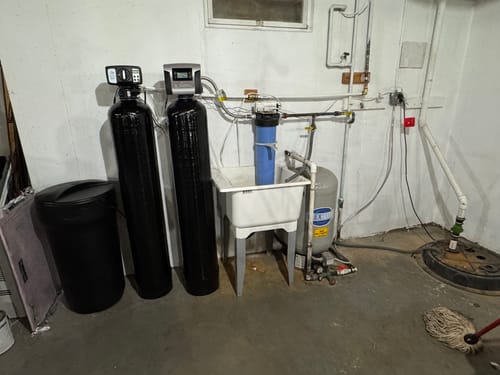
Once I committed to finding a solution, I dove deep into water filtration technologies. The options were overwhelming: simple carbon filters, reverse osmosis systems, ion exchange, UV purification, and various combinations thereof.
My primary requirements quickly became clear:
• Remove chlorine and chloramines completely
• Eliminate fluoride without wasting water like RO systems
• Handle reasonable flow rates for a family of four
• Minimize ongoing maintenance complexity
• Avoid adding anything to the water (like salt from softeners)
Why did I focus on catalytic carbon and bone char technology?
Traditional activated carbon works well for chlorine, but chloramines (chlorine ammonia) require catalytic carbon for effective removal. Many municipalities are switching to chloramines because they're more stable in distribution systems, and our water report confirmed New York uses them seasonally.
Bone char carbon, despite sounding medieval, is one of the few media that effectively removes fluoride through surface adsorption and ion exchange mechanisms. Unlike reverse osmosis, which removes everything and wastes 3-4 gallons for every gallon produced, bone char selectively targets specific contaminants while maintaining beneficial minerals.
The catalytic component accelerates the breakdown of chloramines into harmless compounds, while the bone char handles fluoride, heavy metals, and some organic compounds. This dual-media approach meant addressing multiple water quality issues with a single system.
I compared this technology against alternatives:
Reverse Osmosis: Excellent removal rates but wastes significant water, removes beneficial minerals, requires multiple stages, and typically only treats drinking water, not whole house.
Standard Carbon: Good for basic chlorine removal but ineffective against chloramines and fluoride. Also requires frequent replacement due to shorter lifespan.
Ion Exchange: Works for specific contaminants but adds sodium to SoftPro Fluoride Filter water and requires regular regeneration with salt.
UV Systems: Excellent for biological contaminants but doesn't address chemical issues we faced.
The SoftPro system's approach of combining catalytic and bone char carbon in an upflow design offered the comprehensive solution I needed without the drawbacks of other technologies.
Product Selection and Ordering Experience
After narrowing down to catalytic bone char systems, I compared several manufacturers. SoftPro stood out for several reasons: their upflow design, the quality of their control valve, NSF certification of their media, and surprisingly, their customer service responsiveness during my research phase.
I called their technical support with detailed questions about my specific water conditions. Instead of a sales pitch, I got a twenty-minute conversation with someone who clearly understood the technology and helped me properly size the system based on our home's plumbing configuration and flow requirements.
What sealed the deal for me?
The upflow design. Traditional downflow filters can channel, where water finds the path of least resistance and bypasses some media. Upflow systems naturally expand the media bed, ensuring maximum contact time and preventing channeling. For the investment I was making, I wanted the most effective design available.
Ordering was straightforward through their website. I appreciated the detailed product specifications and installation requirements clearly listed. No surprises about additional components needed or compatibility issues discovered after purchase.
The system arrived in eight business days via freight delivery. The packaging was professional-grade—heavy cardboard with foam protection around all components. Everything arrived in perfect condition despite the control valve and tank weighing considerably more than I'd anticipated.
Installation Process and Initial Setup

I'd initially planned a DIY installation but quickly realized this wasn't a weekend warrior project. The system requires integration into your main water line, proper bypass valve installation, electrical connection for the control valve, and drain line routing for backwash cycles.
Finding a qualified installer took some effort. Many general plumbers weren't familiar with upflow catalytic systems. SoftPro provided a list of certified installers in my area, and I chose one with specific experience in their products.
What did the installation actually involve?
The process took about four hours and required shutting off water to the entire house. Our installer first located the optimal position along our main water line—after the pressure tank but before any branches to fixtures or appliances.
The system needed three connections: inlet, outlet, and drain. The electrical connection was straightforward 110V, but positioning required consideration for future maintenance access. Our installer also added a bypass valve system, allowing us to isolate the filter for service without shutting off house water.
Initial startup involved several backwash cycles to remove carbon dust and properly bed the media. The control valve's programming allows customization of regeneration frequency based on water usage and quality. Our installer set it conservatively initially, planning to adjust based on performance observations.
Total installation cost was $485, which seemed reasonable given the complexity and four-hour duration. The installer also provided a detailed walkthrough of the control system and maintenance requirements.
Performance Results and Water Quality Improvements
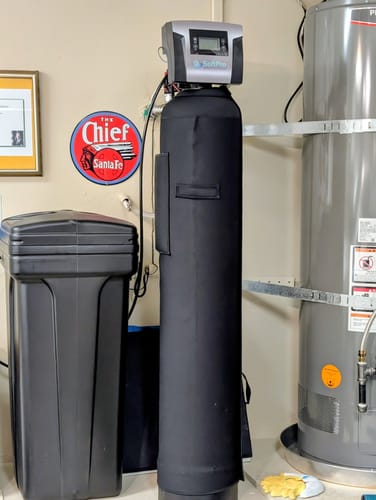
The transformation was immediate and dramatic. Within hours of installation, the chlorine odor completely disappeared. Water from every tap in our house tasted clean and neutral—no chemical aftertaste, no metallic notes, just pure, refreshing water.
I tested our water before and after installation using TDS meters and chlorine test strips. Pre-installation chlorine levels measured 2.1 ppm, which dropped to undetectable levels (below 0.1 ppm) post-filtration. TDS remained stable around 240 ppm, confirming that beneficial minerals weren't being stripped out like they would with reverse osmosis.
What surprised me about the performance?
The consistency. Even during peak usage times—multiple showers, dishwasher, and washing machine running simultaneously—water quality remained constant. No pressure drops, no breakthrough of contaminants, no variation in taste or odor.
Our coffee maker became the daily proof of concept. The same beans, same grind, same brewing parameters now produced coffee with clarity and brightness I hadn't experienced before. The bitterness and astringent notes caused by chlorine compounds completely disappeared.
Ice cubes from our refrigerator became crystal clear instead of cloudy. Drinking water no longer required refrigeration to mask chemical tastes. We immediately stopped buying bottled water, saving $80 monthly while actually improving our water quality beyond what most bottled water provides.
After six months, I sent water samples to a certified laboratory for comprehensive analysis. Fluoride levels dropped from 0.9 ppm to 0.2 ppm—a significant reduction without complete elimination. Chlorine and chloramine compounds were undetectable. Heavy metal levels, while already low in our municipal supply, showed further reduction in lead and mercury traces.
The bone char media proved particularly effective. Unlike some fluoride removal methods that work initially but quickly lose effectiveness, performance remained consistent through eighteen months of use. The catalytic carbon component showed no signs of saturation or reduced chloramine removal capacity.
Daily Living Impact and Family Benefits
The improvements extended far beyond taste and odor. My wife's skin and hair complaints resolved within two weeks. The dry, itchy feeling after showers disappeared, and she could reduce her moisturizer usage significantly. Our daughter's hair regained its natural softness and shine without requiring special treatments.
Appliance performance improved noticeably. Our dishwasher started leaving glassware spot-free without rinse aid. The mineral buildup in our coffee maker's internal components slowed dramatically, extending time between descaling from monthly to quarterly.
Did we notice any unexpected benefits?
Laundry came out softer and brighter. Apparently, chlorine can fade fabrics over time and make them feel harsh. Our clothes retained their colors better and needed less fabric softener to feel comfortable.
Houseplants responded positively too. We'd always used tap water for watering, but chlorine can stress plants over time. Our indoor plants became more vibrant, and new growth appeared healthier and more robust.
Cooking improvements were subtle but noticeable. Pasta water didn't have that faint chemical smell when boiling. Bread baking improved because chlorine can interfere with yeast activity. Even simple tasks like washing vegetables felt better knowing we weren't rinsing them in chlorinated water.
Guest reactions provided external validation. Friends and family consistently commented on our water quality without prompting. Several neighbors have since installed similar systems after experiencing the difference firsthand.
Operating Costs and Maintenance Reality
Ongoing costs have been reasonable and predictable. The system backwashes automatically based on programmed intervals—currently set for every 10 days based on our usage patterns. Each backwash cycle uses approximately 15 gallons and takes 12 minutes.
Electricity consumption is minimal. The control valve draws power only during backwash cycles and for its digital timer. I estimate less than $3 monthly in additional electrical costs.
What about media replacement costs?
This was my biggest concern initially. Bone char and catalytic carbon aren't cheap, and I wanted realistic expectations about replacement frequency. After eighteen months, performance testing shows no degradation in removal effectiveness.
SoftPro estimates 3-5 years for media replacement under normal residential conditions, depending on water quality and usage. For our situation, they projected closer to 4 years. Replacement media costs approximately $280, which translates to about $5.80 monthly when amortized over the expected lifespan.
Compared to our previous bottled water expenses ($80 monthly), the system pays for itself quickly. Even factoring in installation costs and future media replacement, we're saving over $800 annually while getting superior water quality throughout our entire home.
Maintenance requirements are minimal. Monthly visual inspection of the system, quarterly cleaning of the bypass valve, and annual inspection by our installer. The control valve provides diagnostic information and alerts for any operational issues.
I track system performance monthly using test strips for chlorine and periodic TDS measurements. Consistency over eighteen months gives me confidence in the long-term reliability and effectiveness of this approach.
Honest Assessment - Limitations and Considerations
No system is perfect, and this one has some limitations worth discussing honestly. The initial investment is significant—approximately $2,800 including installation. For families on tight budgets, this represents a substantial upfront cost despite long-term savings.
Space requirements might be challenging in some homes. The tank is 48 inches tall and 10 inches in diameter, requiring adequate clearance for the control valve and service access. Our utility room accommodated it easily, but smaller homes might struggle with placement.
What operational limitations have I noticed?
During backwash cycles, water pressure to the house drops noticeably. It's not problematic since cycles run automatically during low-usage periods (typically early morning), but it's worth noting for households with unusual usage patterns.
The system doesn't address hardness minerals. If you have hard water causing scale buildup, you'll need additional treatment. Our water is moderately soft naturally, so this wasn't relevant for us, but many homeowners will need to consider water softening separately.
Media replacement, while infrequent, requires professional service in most cases. The tank must be drained, old media removed, and new media properly installed and backwashed. This isn't a DIY project for most homeowners, adding to long-term costs.
Performance depends heavily on proper installation and setup. A poorly configured system won't deliver the expected results. This emphasizes the importance of using experienced installers familiar with upflow catalytic systems.
Final Verdict and Recommendation
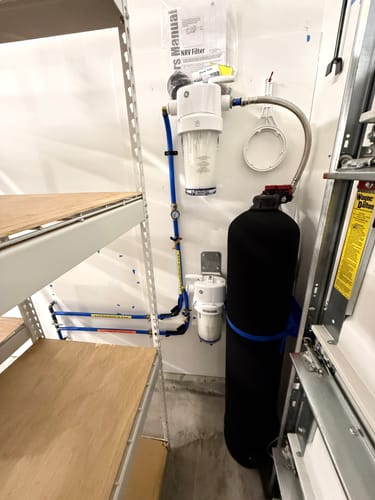
After eighteen months of daily use, I'm thoroughly satisfied with this investment. The SoftPro Fluoride & Chlorine SUPER Filter has delivered everything promised and some benefits I hadn't anticipated. Our water quality transformation has improved our daily life in measurable ways while providing peace of mind about our family's exposure to municipal water treatment chemicals.
The technology works as advertised. Catalytic carbon effectively eliminates chloramines that standard carbon can't handle. Bone char provides reliable fluoride reduction without the waste and mineral removal of reverse osmosis systems. The upflow design ensures optimal contact time and prevents media channeling.
Would I purchase this system again?
Absolutely. The combination of effective contaminant removal, reasonable operating costs, and minimal maintenance makes it an excellent long-term solution for our water quality needs.
This system is ideal for homeowners dealing with chlorinated municipal water who want comprehensive treatment without ongoing chemical additions or water waste. If you're concerned about fluoride exposure, dealing with chloramine taste and odor issues, or wanting to protect appliances from chemical damage, this technology addresses those concerns effectively.
Families spending significant amounts on bottled water will see rapid payback. The environmental benefits of eliminating plastic bottle waste while getting superior water quality throughout your entire home make this a responsible choice.
For homeowners with limited budgets or space constraints, consider whether the upfront investment fits your financial situation. The long-term benefits are clear, but the initial cost requires planning and commitment.
Overall, this system has exceeded my expectations and earned a permanent place in our home's infrastructure. Clean, chemical-free water from every tap has become something our family no longer takes for granted, and the peace of mind knowing we control our water quality makes this one of our best home improvement investments.