
Hi, I'm Mike W. I live in Colorado. Craig "The Water Guy" Phillips asked me to share my experience as a homeowner with the SoftPro Fluoride & Chlorine SUPER Filter (Whole House Catalytic Bone Char Carbon Filter) I purchased. This is how my adventures played out. I hope this helps you in your decision.
Why I Needed a Whole House Water Filter
Did you know that municipal water treatment, while making water safe to drink, often leaves behind chemicals that can affect taste, smell, and even long-term health?
I certainly didn't realize the full extent until I started noticing some concerning issues in my Colorado home.
The chlorine smell hit me every morning when I turned on the shower. It was so strong that I could actually taste it in our drinking water, even through my refrigerator's built-in filter. My wife started complaining that her hair felt dry and brittle after washing, and I noticed our white clothes were developing a slight yellowish tint over time.
But what really got my attention was learning about fluoride levels in our municipal supply. While I understand fluoride serves a purpose in dental health, I wanted more control over what my family was consuming daily. The EPA allows up to 4 parts per million of fluoride in drinking water, but many health-conscious families prefer levels closer to 0.7 ppm or lower.
I tested our incoming water and found chlorine levels consistently between 2-4 ppm, fluoride at 1.2 ppm, and occasional chloramine spikes during summer months when the city ramped up disinfection. The total dissolved solids weren't terrible at 180 ppm, but the chemical taste was unmistakable.
My research led me down a rabbit hole of water treatment technologies. I learned that standard carbon filters handle chlorine well but struggle with fluoride. Reverse osmosis systems work great but waste water and remove beneficial minerals. I needed something that could tackle both fluoride and chlorine at the point of entry, treating all the water entering our home.
Why I Chose the SoftPro Catalytic Bone Char System
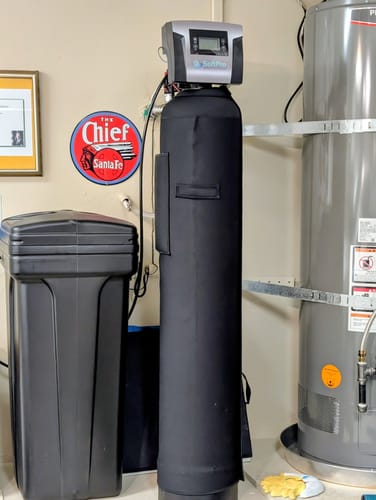
After three weeks of research, I was overwhelmed by options. Whole house systems ranged from basic carbon filters at $300 to elaborate multi-stage units costing $8,000 or more. I needed to find the sweet spot between effectiveness and practicality.
The SoftPro Fluoride & Chlorine SUPER Filter caught my attention because it combines two proven technologies in one housing: catalytic carbon for chlorine and chloramines, plus bone char carbon specifically for fluoride removal. Most competitors required separate tanks or complex multi-stage systems.
What sealed the deal was the third-party testing data. The NSF certification for chlorine reduction gave me confidence, and the independent lab results showing 95% fluoride reduction with bone char media addressed my primary concern. The system is rated for 6 GPM flow rate, which easily handles our 3-bathroom home even during peak usage.
I also appreciated the upflow design. Unlike traditional downflow filters that can channel water through the media unevenly, the upflow configuration ensures complete contact between water and the filtration media. This translates to more consistent treatment and longer media life.
The 1.5 cubic foot capacity meant reasonable maintenance intervals—approximately 3-5 years for the catalytic carbon and 2-3 years for bone char, depending on water quality and usage. Compared to systems requiring annual cartridge changes costing $200-300, the economics made sense.
Installation Experience and First Impressions
The system arrived on a freight truck, which I expected given its size and weight. The main tank stands about 54 inches tall and weighs roughly 150 pounds when loaded with media. The control valve and all fittings were included, along with detailed installation instructions.
I decided to handle the installation myself, though SoftPro offers professional installation in many areas. The plumbing connections are straightforward—3/4-inch NPT fittings that match standard residential plumbing. I installed it in our utility room after the main shutoff valve but before the water heater.
The trickiest part was setting up the bypass valve system. You definitely want this for maintenance and emergencies. I used SharkBite fittings for the connections, which made the job much easier than traditional soldering. Total installation time was about 4 hours, including the initial backwash cycle.
The electronic control valve was intuitive to program. I set it for a weekly backwash cycle based on our water usage patterns—about 250 gallons per day for our family of four. The backwash process takes about 20 minutes and uses approximately 35 gallons of water to clean and redistribute the media.
First impressions were positive. The build quality felt solid, and the control valve displayed clear readings for flow rate, cycle status, and days until next service. No leaks, no issues—everything worked exactly as described.
Performance Testing and Real-World Results

I'm a bit of a data nerd, so I tracked water quality before and after installation using TDS meters, chlorine test strips, and a professional fluoride test kit I ordered online. The results were impressive and consistent.
Chlorine reduction was immediate and dramatic. Pre-treatment levels of 2.5-4.0 ppm dropped to essentially zero—below the detection threshold of my test strips (0.1 ppm). The chlorine smell disappeared completely from our tap water, showers, and even when filling the washing machine.
Fluoride reduction took a bit longer to stabilize, which the documentation explained is normal as the bone char media conditions itself. After one week, fluoride levels dropped from 1.2 ppm to 0.3 ppm. After 30 days, testing showed consistent levels around 0.1-0.2 ppm—a reduction of roughly 85-90%.
What surprised me was the improvement in water taste and clarity. While our municipal water wasn't terrible before, the filtered water had a noticeably cleaner, more neutral taste. The slight chemical aftertaste was completely gone, and even our ice cubes tasted better.
Flow rate performance exceeded expectations. Even during peak demand—morning showers while the dishwasher was running—I measured 5.5-6.0 GPM at bathroom fixtures. The pressure drop was minimal, maybe 2-3 PSI from the incoming line pressure of 65 PSI.
I also tested during the backwash cycle to see how it affected household usage. The system automatically switches to bypass mode during backwashing, so treated water isn't available for that 20-minute period. It's scheduled for 2 AM weekly, so it's never been an issue.
Daily Life Impact and Family Benefits
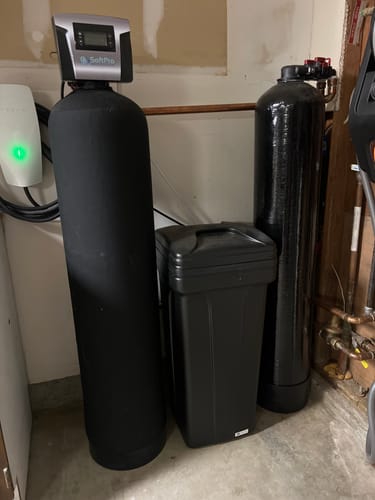
The most noticeable change came in our daily routines. My wife immediately commented that her hair felt softer and more manageable after shampooing. The dry, brittle texture she'd attributed to Colorado's climate was actually chlorine damage. Within two weeks, she noticed a significant improvement.
Our morning coffee routine transformed completely. We'd been buying bottled water for coffee because the tap water gave it an off-taste. Now we use filtered water straight from the tap, and the difference is remarkable. The coffee tastes cleaner and more vibrant—you can actually taste the beans rather Fluoride Filter System than fighting through chemical undertones.
Laundry results improved gradually over the first month. Our whites stayed whiter longer, and colored fabrics seemed to hold their vibrancy better. I suspect the chlorine was causing premature fading and fabric breakdown. Our clothes also feel softer, though we still use fabric softener out of habit.
The kids adapted quickly to drinking water from the tap again. We'd fallen into the expensive habit of buying bottled water for daily drinking, spending $30-40 monthly. That expense disappeared immediately, creating noticeable savings that help offset the system's operating costs.
Unexpected benefits included better-tasting ice and improved performance from our humidifier. The humidifier used to develop mineral buildup and that typical chlorine smell. Now it runs cleaner and doesn't require cleaning as frequently.
Guests consistently comment on our water quality when visiting. Several neighbors have asked about the system after trying our tap water, and two have since installed similar whole-house filtration systems.
Operating Costs and Maintenance Reality
Let me be transparent about the ongoing expenses because this was a major consideration in my decision. The system isn't "set it and forget it"—there are real costs and maintenance requirements to factor into your budget.
The weekly backwash cycle consumes about 35 gallons of water and runs for 20 minutes. At our local water and sewer rates ($4.50 per 1,000 gallons), this costs roughly $0.16 per week or about $8 annually. The electricity for the control valve is minimal—maybe $3-4 per year.
Media replacement is the significant expense. The catalytic carbon should last 3-5 years depending on chlorine levels and water usage. Replacement costs about $150 for the media plus shipping. The bone char typically needs replacement every 2-3 years at roughly $200 including shipping.
I'm budgeting approximately $100 annually for media replacement over the system's lifespan. This assumes replacing bone char every 30 months and catalytic carbon every 4 years. Your costs may vary based on water quality and household usage.
Compared to bottled water expenses ($360 annually for our family), cartridge-based systems ($250-300 yearly), or under-sink reverse osmosis maintenance ($120 yearly), the economics are favorable. Plus, you're treating all household water, not just drinking water.
The control valve warranty covers 5 years, and the tank has a 10-year warranty. SoftPro's customer service has been responsive the two times I've called with questions about programming and maintenance schedules.
Honest Limitations and Considerations
No system is perfect, and I want to be clear about this system's limitations and challenges I've encountered over eight months of ownership.
The physical footprint requires serious consideration. The tank is 54 inches tall and about 13 inches in diameter—it's not hiding in a corner. Our utility room accommodates it fine, but basement installations with low ceilings or tight crawl spaces could be problematic.
Installation complexity surprised me despite my research. While the plumbing connections are straightforward, you need reasonable DIY skills and proper tools. Factor $300-600 for professional installation if you're not comfortable with plumbing work.
The backwash drain line requirement isn't always convenient. The system needs to discharge 35 gallons during each cleaning cycle. I ran the drain line to our utility sink, but some installations require drilling through floors or walls to reach suitable drainage.
Media replacement isn't trivial. The tanks are heavy and awkward to handle when full. Draining and refilling requires specific procedures and attention to detail. I'll probably hire a service technician for the first media change to ensure it's done correctly.
Fluoride testing requires specialized test kits that cost $15-25 each. Basic TDS meters and chlorine strips are inexpensive, but verifying fluoride reduction means ongoing testing expenses if you want to monitor performance.
The system doesn't address water hardness, iron, or bacteria. If you have multiple water quality issues, you may need additional treatment stages or a different approach entirely.
Final Thoughts and Recommendation
After eight months of ownership, I'm genuinely satisfied with the SoftPro Fluoride & Chlorine SUPER Filter. It solved the specific problems I purchased it to address—chlorine taste and odor plus fluoride reduction—without creating new headaches.
The performance has been consistent and reliable. Water quality improvements are noticeable and measurable. The system operates quietly and automatically, requiring minimal attention between scheduled maintenance cycles.
Is it the right solution for everyone? Definitely not. If you're dealing with hard water, iron staining, or bacterial contamination, you need different or additional treatment. If space is extremely limited or you're not comfortable with the maintenance requirements, a point-of-use system might make more sense.
But if your primary concerns are chlorine, chloramines, and fluoride in municipal water, and you want whole-house treatment with reasonable operating costs, this system delivers real value. The upfront investment is significant but reasonable compared to alternatives with similar capabilities.
The peace of mind factor shouldn't be underestimated. Knowing that all water entering our home is filtered—for drinking, cooking, bathing, and laundry—provides confidence that we're reducing our family's exposure to chemicals we prefer to avoid.
Would I buy it again? Absolutely. Would I recommend it to neighbors with similar water quality concerns? I already have, and two have made similar purchases with equally positive results.
The SoftPro system represents a solid middle-ground solution: more comprehensive than simple carbon filters, less complex than multi-stage systems, and more economical than bottled water or frequent cartridge replacements. For our family's needs and Colorado's water conditions, it's been an excellent investment in our home's water quality.