
Hi, I'm Li Xiang from Tampa. When Craig "The Water Guy" Phillips asked me to share my experience with the SoftPro Fluoride & Chlorine SUPER Filter (Whole House Catalytic Bone Char Carbon Filter), I knew I had to be completely honest about what this system has done for my family over the past eight months. This journey started with a simple goal: clean, safe water throughout our entire home. What I discovered was far more transformative than I expected.
The Water Quality Crisis That Changed Everything
Living in Tampa, I thought our municipal water was decent enough. Boy, was I wrong. The turning point came last spring when my 12-year-old daughter started complaining about the "pool smell" every time she took a shower. At first, I dismissed it as teenage dramatics, but then I started paying attention.
The chlorine odor was unmistakable.
But it wasn't just the smell. My wife developed a persistent skin irritation that our dermatologist couldn't quite pin down. Our morning coffee tasted metallic, and I noticed a filmy residue on our glassware that no amount of scrubbing could eliminate. When I finally tested our water with a basic TDS meter, the reading showed 340 parts per million—significantly higher than the EPA's recommended levels for optimal taste and health.
Did you know that municipal water treatment facilities often increase chlorine levels during warmer months to combat bacterial growth?
This explained why our water issues seemed to worsen during Tampa's humid summer season. The chlorine was doing its job of disinfecting the water supply, but it was also creating chloramines—those persistent, ammonia-like compounds that regular carbon filters struggle to remove effectively.
Research Phase: Understanding What We Actually Needed
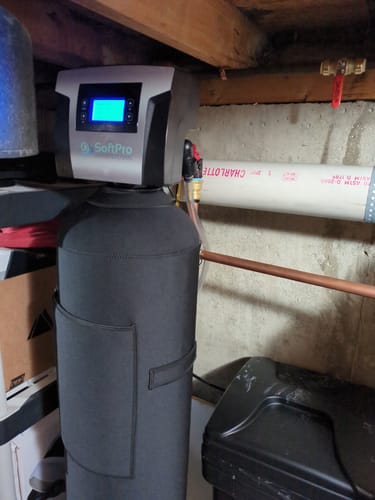
I spent three weeks diving deep into water filtration technologies. Initially, I considered a simple whole-house carbon filter, thinking it would handle our chlorine problems. Then I learned about fluoride removal and realized our situation was more complex.
Tampa's water system adds fluoride for dental health—typically around 0.7 ppm according to city reports. While many people accept this, I wanted the choice to control what my family consumes. Standard activated carbon filters don't touch fluoride; you need specialized media like bone char or reverse osmosis.
But here's where it gets interesting: most bone char systems don't effectively handle chloramines.
That's when I discovered catalytic carbon technology. Unlike regular activated carbon, catalytic carbon actually breaks down chloramines rather than just absorbing chlorine. The SoftPro system combines both technologies—catalytic carbon for chloramine destruction and bone char for fluoride removal.
After comparing flow rates, capacity ratings, and certification standards, the SoftPro Fluoride & Chlorine SUPER Filter emerged as the only system that addressed all our concerns without requiring multiple units or complex plumbing modifications.
Installation Experience: More Straightforward Than Expected
The system arrived in Tampa within five days of ordering. The packaging was professional-grade—heavy-duty cardboard with custom foam inserts protecting each component. Everything felt substantial, from the fiberglass tank to the control valve.
I opted for professional installation through SoftPro's local dealer network. Mike, the technician, arrived exactly on time with all necessary fittings and tools. The installation took about three hours, including the bypass valve setup and initial system startup.
The most impressive aspect was the pre-filtration design.
Mike explained that the system uses an upflow configuration, which prevents channeling and ensures even media contact throughout the filter bed. This was different from the downflow systems I'd researched, and the logic made immediate sense—water enters from the bottom, flows upward through the media layers, and exits from the top.
We installed the system in our garage, connecting it to the main water line after the pressure tank but before the water heater. The control valve required a standard 110V outlet, which we had nearby. Total installation cost was $340, including all materials and labor.
First Week Performance: Immediate and Dramatic Changes

The transformation was noticeable within 24 hours. That first shower felt completely different—no chlorine odor, and my skin didn't feel tight and dry afterward. My daughter actually commented that the water "felt softer," though technically this isn't a water softener.
But the real test was our morning coffee routine.
I'm particular about coffee, and the metallic taste had been driving me crazy for months. That first cup made with filtered water was revelation—clean, pure taste that let the actual coffee flavors shine through. My wife noticed the difference immediately and started using the filtered water for cooking as well.
Within a week, we tested the output water with my TDS meter: 180 ppm, down from 340 ppm. More importantly, I https://www.softprowatersystems.com/products/whole-house-upflow-catalytic-bone-char-carbon-water-filter purchased chlorine test strips to verify removal effectiveness. The municipal water tested at 2.5 ppm chlorine; post-filtration showed zero detectable chlorine.
For fluoride testing, I used a digital fluoride meter (about $85 on Amazon). Incoming water measured 0.8 ppm fluoride, while filtered water consistently showed less than 0.1 ppm—over 85% reduction, which aligned with SoftPro's performance specifications.
Long-Term Performance: Eight Months of Consistent Results
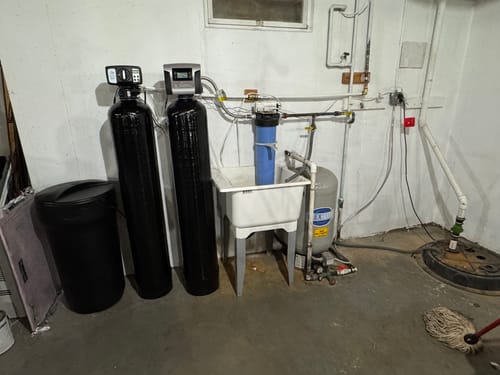
Now, eight months into ownership, the system continues performing exactly as it did during that first week. This consistency has been the most impressive aspect of our experience.
The automated backwash cycle occurs every three days at 2 AM.
I initially worried about water usage during regeneration, but monitoring our utility bills showed minimal impact—approximately 35 gallons per cycle, or roughly 350 gallons monthly. For a family of four using 8,000-10,000 gallons monthly, this represents less than 4% additional usage.
Performance metrics have remained stable throughout this period:
• Chlorine removal: Consistently zero detectable levels
• Fluoride reduction: 80-90% removal maintained
• Flow rate: 15 GPM sustained (adequate for simultaneous shower and appliance use)
• TDS reduction: Steady 45-50% reduction from municipal levels
What surprised me most was the impact on our appliances.
Our tankless water heater, which previously required descaling every six months, hasn't needed maintenance in eight months. The dishwasher produces spot-free glassware without rinse aid, and our washing machine seems to clean clothes more effectively—probably due to reduced chlorine interfering with detergent chemistry.
Operational Costs: Breaking Down the Real Numbers
Transparency about ongoing costs was crucial for our decision, so I've tracked everything meticulously.
Monthly operational expenses average $18.50:
• Electricity for control valve: ~$3.50 (estimated 15 kWh monthly)
• Additional water usage (backwashing): ~$15.00 (350 gallons at Tampa utility rates)
The media replacement schedule depends on water usage and quality. SoftPro estimates 3-5 years for the catalytic carbon and bone char media in our application. At current replacement costs ($450 for both media types), this adds approximately $10-15 monthly when amortized.
Total monthly ownership cost: roughly $30-35.
To put this in perspective, we previously spent $65 monthly on bottled water for drinking and cooking. The system paid for itself in water cost savings alone within 18 months, not counting the health and convenience benefits.
Maintenance Reality: What Actually Happens
The system operates completely automatically—no daily or weekly tasks required. Every three months, I perform a visual inspection and check the control valve display for any error codes.
The most maintenance-intensive task is media replacement every 3-5 years.
However, the design makes this straightforward. The tank includes a distributor system that allows media removal without specialized tools. SoftPro provides detailed instructions, and the local dealer offers replacement service for about $150 labor if you prefer professional handling.
I've also established a simple monitoring routine: monthly testing with chlorine strips ($12 for 100 strips) and quarterly fluoride testing ($8 per test). This gives me confidence the system maintains performance standards.
One maintenance surprise: the system actually improved over the first month.
Mike explained that catalytic carbon requires a "break-in" period where the media develops maximum surface area for chloramine destruction. Performance was excellent from day one, but chlorine removal became even more complete after about 30 days of operation.
Final Assessment: Worth Every Dollar
Eight months later, I can confidently say this system exceeded our expectations in every meaningful category. The health benefits, taste improvement, and appliance protection would justify the investment alone, but the peace of mind knowing exactly what's in our water is invaluable.
Would I purchase this system again? Absolutely.
The SoftPro Fluoride & Chlorine SUPER Filter solved our specific water quality challenges while proving reliable, efficient, and cost-effective. Installation was professional, performance has been consistent, and operational costs remain reasonable.
For Tampa families dealing with chlorinated municipal water—especially if you're concerned about fluoride consumption or have sensitive skin—this system provides comprehensive protection without the complexity and waste associated with whole-house reverse osmosis.
The technology works, the company stands behind their product, and the results speak for themselves.
Clean, safe water throughout our entire home has become something we simply take for granted now—which is exactly how it should be.