
Hi, I'm Kenn A.. I live in Tennessee. Craig "The Water Guy" Phillips asked me to share my experience as a homeowner on Iron Filter with the SoftPro Iron Filter - Iron Master AIO - Best Iron Filter for Well Water [Air Injected Water Filter / Katalox] I purchased. This is how my adventures played out. I hope this helps you in your decision.
Did you know that iron contamination affects over 25% of American households with well water systems?
After dealing with rusty, metallic-tasting water for three years in my Tennessee home, I can personally attest to how frustrating this problem becomes.
Every morning, I'd turn on the kitchen faucet and watch reddish-brown water flow out for the first few seconds. My white laundry gradually turned orange, my coffee tasted metallic, and ugly rust stains appeared on every fixture in the house.
The breaking point came when my wife's favorite white blouse came out of the washing machine with permanent orange streaks. That evening, I started researching iron filtration systems, determined to solve this problem once and for all.
After six months of using the SoftPro Iron Master AIO system, I'm sharing my complete experience - from installation struggles to daily performance observations. This isn't a sales pitch; it's an honest account of whether this system actually delivers on its promises.
The Iron Problem That Pushed Me Over the Edge
Living in rural Tennessee, I knew well water came with challenges, but I underestimated how iron contamination would affect our daily lives. Our well water tested at 4.2 parts per million (PPM) of iron - significantly above the EPA's recommended 0.3 PPM secondary standard.
The first sign wasn't the taste or color; it was the smell. Every time someone ran hot water, a distinct metallic odor filled the bathroom. Initially, I thought it was our old water heater, but after having it serviced twice, the technician explained that iron-rich water was actually corroding the heating elements faster than normal.
What does 4.2 PPM iron actually look like in daily life?
My morning routine became a waiting game - running the kitchen tap for 30-45 seconds until the https://www.softprowatersystems.com/collections/iron-well-water-filters water ran clear enough for coffee. Even then, the first cup always had that unmistakable metallic bite that no amount of sugar could mask.
Our laundry situation deteriorated rapidly. My wife started separating clothes into "well water safe" and "town laundry" piles. Anything white or light-colored went to her mother's house in town for washing. This routine became expensive and embarrassing - we're adults with our own home, yet we couldn't do laundry properly.
The bathroom fixtures told the real story of our iron problem. Despite weekly scrubbing with CLR and other rust removers, orange stains crept back within days. The toilet bowl developed a permanent ring that looked like we never cleaned it. Guests started commenting, and I found myself apologizing for water stains that weren't really our fault.
But the final straw was discovering what iron was doing to our plumbing system. During a routine inspection, our plumber showed me orange buildup inside the pipes near our water heater. He explained that ferrous iron oxidizes when heated, creating deposits that reduce water pressure and damage appliances over time.
The financial impact was becoming clear: premature appliance replacement, increased detergent usage, bottled water purchases, and potential plumbing repairs. I calculated we were spending an extra $150-200 monthly dealing with iron-related issues. That's when I started seriously researching permanent solutions.
Researching Iron Filtration: What I Learned
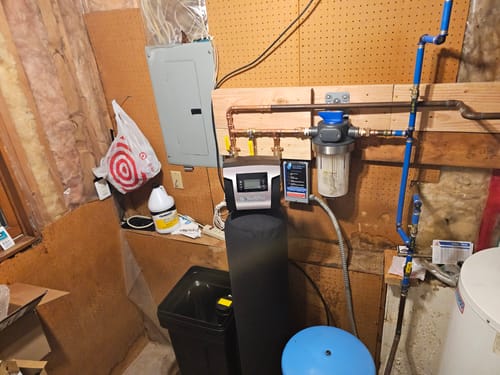
My journey into iron filtration technology began with a simple Google search but quickly became a deep dive into water chemistry. I discovered that not all iron problems are the same, and choosing the wrong system could waste thousands of dollars.
First, I learned about the types of iron in well water. Our 4.2 PPM consisted primarily of ferrous iron (dissolved iron that's invisible when first pumped) and some ferric iron (oxidized iron that appears as visible rust particles). This distinction matters because different filtration technologies target different iron forms.
Traditional sediment filters only capture ferric iron particles, missing the dissolved ferrous iron that causes most taste and staining problems. Water softeners can remove some dissolved iron, but they're designed for hardness minerals like calcium and magnesium, not iron. Plus, iron can actually damage softener resin over time.
What about those "salt-free" iron removal systems I kept seeing advertised?
After researching the technology, I learned that salt-free systems typically use catalytic media that converts dissolved iron into filterable particles. However, they require specific water chemistry conditions to work effectively, and our well water pH of 6.8 was borderline for optimal performance.
Air injection systems caught my attention because they address iron removal at the source of the problem: oxidation. By injecting air into the water stream, dissolved ferrous iron converts to ferric iron particles that can be filtered out mechanically. This process mimics what happens naturally when well water sits in a glass and develops rust particles, but it happens instantly and completely.
The SoftPro Iron Master AIO uses Katalox media combined with air injection technology. Katalox is a manganese dioxide-coated filtration media that both catalyzes iron oxidation and physically captures the resulting particles. Unlike traditional greensand media, Katalox regenerates with air and backwashing, eliminating the need for potassium permanganate chemicals.
Sizing calculations proved crucial during my research. The Iron Master AIO comes in different tank sizes, and choosing incorrectly could result in inadequate flow rates during peak demand or insufficient contact time for complete iron removal. Our household of four, with two full bathrooms and standard appliances, required the 12-inch diameter system for optimal performance.
I also researched the company behind the product. SoftPro has been manufacturing water treatment systems for over a decade, with NSF certification for their components and a network of authorized dealers providing local support. This gave me confidence that parts and service would be available long-term.
Unboxing and Initial Setup Assessment
The Iron Master AIO arrived via freight delivery on a Tuesday morning, packaged on a wooden pallet and wrapped in protective plastic. The delivery driver helped move it into my garage, which was fortunate because the complete system weighs approximately 200 pounds when fully assembled.
Unpacking revealed a well-organized kit with each component clearly labeled and protected. The main pressure tank measures 12 inches in diameter by 54 inches tall - larger than I expected despite checking dimensions beforehand. The blue tank finish looks professional and includes clear labeling for inlet, outlet, and drain connections.
The electronic control head impressed me immediately. Unlike mechanical timer-based systems I'd seen, the Iron Master uses a demand-initiated regeneration controller that monitors actual water usage. The digital display shows system status, remaining capacity, and regeneration timing - information that helps optimize performance and troubleshoot issues.
What surprised me most about the included components?
The air injection assembly was more sophisticated than expected, featuring a venturi valve that draws ambient air into the water stream without requiring electricity or compressed air. This elegant solution eliminates moving parts while ensuring consistent air injection rates.
The installation manual deserves specific mention because it's actually usable. Written in plain English with clear diagrams, it walks through each step logically without assuming extensive plumbing knowledge. However, it does emphasize that electrical connections should be completed by qualified personnel - advice I followed by having my electrician handle the control head wiring.
Quality control appeared excellent throughout the inspection. Fittings were properly tightened, the tank showed no shipping damage, and all gaskets and o-rings looked fresh. The Katalox media was pre-loaded, eliminating the messy process of filling the tank myself.
One minor disappointment was the bypass valve assembly. While functional, it felt less robust than the main system components. The plastic construction and basic design seemed inconsistent with the overall quality level, though it hasn't caused any operational issues.
Installation Experience: Easier Than Expected

Despite my initial anxiety about installing a whole-house filtration system, the actual process took only about 30 minutes of active work, spread across a Saturday morning. Most of that time involved measuring, marking, and double-checking connections rather than complex assembly.
My basement utility area provided the ideal installation location: concrete floor for stability, existing electrical outlet within six feet, floor drain for backwash discharge, and adequate space for future maintenance access. The system requires approximately three feet of clearance above the tank for control head servicing.
The most challenging aspect was cutting into the existing main water line. I shut off power to the well pump and drained the pressure tank before cutting a six-inch section of pipe. Having a pipe cutter designed for the 1.25-inch copper line made clean cuts possible, though I recommend having extra fittings available in case of mistakes.
Did the pre-assembled components actually save time during installation?
Absolutely. The control head came pre-wired to the tank, and all internal connections were completed at the factory. This eliminated the most technical aspects of installation and reduced potential leak points significantly.
Connecting the inlet and outlet proved straightforward using the provided stainless steel flex connectors. These fittings accommodate minor alignment issues and vibration while maintaining secure connections. I applied pipe thread sealant to all threaded connections, following the manual's recommendations for leak prevention.
The drain line installation required more creativity. My floor drain was eight feet from the optimal system location, necessitating a gravity-fed drain line with proper slope. I used 3/4-inch PVC pipe with a steady downward grade, ensuring backwash water flows freely without creating airlocks or standing water.
Electrical connection involved plugging the control head into a standard 110V outlet. The system draws minimal power during normal operation, with higher consumption only during regeneration cycles. I verified that the outlet was GFCI protected, as recommended for basement installations.
Initial startup required following a specific sequence: slowly opening the inlet valve, checking for leaks, initiating a manual regeneration cycle to condition the Katalox media, and programming the control head for our household water usage patterns. The entire process took another 45 minutes, with most time spent waiting for the regeneration cycle to complete.
Performance Results: Before and After Testing
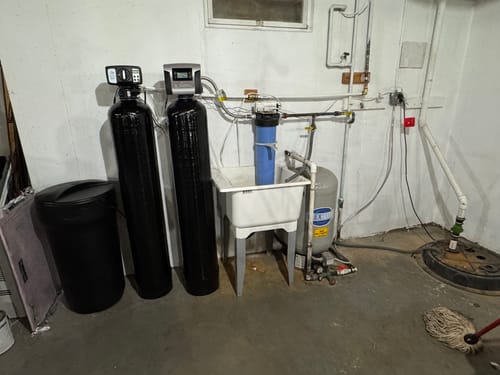
The transformation in our water quality was immediately obvious, but I wanted quantifiable data to verify the system's effectiveness. Using a combination of home test kits and laboratory analysis, I documented performance improvements across multiple parameters over the first three months of operation.
Baseline testing before installation revealed iron levels of 4.2 PPM, with additional issues including manganese at 0.8 PPM and hydrogen sulfide creating occasional sulfur odors. Our water pH measured 6.8, slightly acidic but within the acceptable range for the Iron Master system.
Post-installation testing after one week of operation showed dramatic improvements. Iron levels dropped to 0.05 PPM - well below the EPA's 0.3 PPM aesthetic guideline and virtually undetectable in daily use. Manganese, which I hadn't specifically targeted but often accompanies iron in well water, decreased to 0.02 PPM.
What about those subtle changes that don't show up in laboratory tests?
The taste difference was remarkable within 48 hours. Our morning coffee went from having a distinct metallic bite to tasting clean and neutral. My wife, who has a sensitive palate, noticed the change before I mentioned the installation was complete.
Visual improvements appeared gradually over the first month. Existing rust stains in toilets and sinks didn't disappear overnight, but new staining stopped completely. After deep cleaning our fixtures and starting fresh, they've remained stain-free for over five months now.
Laundry results exceeded my expectations. White clothes washed in our well water now stay white, eliminating the need for trips to town. More importantly, colors appear more vibrant because iron particles aren't dulling fabric appearance over time.
I conducted flow rate testing during peak demand periods to ensure the system doesn't create pressure drops. With two showers running simultaneously plus the dishwasher, I measured 18 PSI at bathroom fixtures - only 3 PSI below our normal static pressure. This minimal reduction doesn't affect daily use noticeably.
Backwash water observations provide another performance indicator. During regeneration cycles, the initial discharge shows a distinct orange color that gradually clears, demonstrating effective iron capture and removal. The backwash volume averages 35-40 gallons per cycle, occurring every 4-5 days based on our usage patterns.
Daily Living Impact and Long-Term Observations
Six months after installation, the Iron Master AIO has fundamentally changed our relationship with our well water. Tasks that once required workarounds or created frustration now happen seamlessly, and we've discovered benefits I hadn't anticipated during the research phase.
Morning routines became simpler immediately. Instead of waiting for water to run clear, I can fill the coffee pot directly without concern for taste or color. My wife no longer pre-rinses dishes before loading the dishwasher, trusting that clean water will produce clean results.
Appliance performance improvements surprised me. Our dishwasher, which had developed spotting issues despite using rinse aids, now produces streak-free glassware. The washing machine's rinse cycles became more effective, reducing soap residue that had been combining with iron particles to create dingy fabrics.
Have there been any unexpected challenges or discoveries during daily use?
One minor adjustment involved learning the regeneration schedule. The system regenerates based on water usage, typically every 4-5 days in our household. Regeneration occurs at 2:00 AM by default, but we shifted it to 3:00 AM after discovering that our teenager's late-night showers occasionally triggered immediate regeneration.
Seasonal variations in well water quality became more apparent with consistent monitoring. During spring runoff periods, iron levels increase slightly, causing more frequent regeneration cycles. The system adapts automatically, but I've learned to anticipate higher operating costs during these periods.
Guest reactions provide external validation of the improvements. Friends who previously commented on our "rusty" water now ask about our "soft" water, not realizing we're using iron filtration rather than traditional water softening. Several neighbors have requested information about our system after noticing the difference.
Utility cost analysis reveals mixed financial impacts. Backwash water usage adds approximately 8-10 gallons per day to our well pump operations, while reduced cleaning product consumption and eliminated bottled water purchases create offsetting savings. Overall, operating costs increased by roughly $15-20 monthly.
Maintenance requirements have proven minimal but important. Monthly visual inspections of connections and quarterly cleaning of the air injection venturi ensure optimal performance. The digital controller provides helpful diagnostic information, including service reminders and performance alerts.
Operational Costs and Maintenance Reality
Understanding the true cost of ownership extends beyond the initial equipment purchase. After six months of operation, I've tracked actual expenses and maintenance requirements to provide realistic expectations for potential buyers considering similar systems.
The Iron Master AIO's operating costs center around water consumption during regeneration cycles rather than replacement media or chemicals. Each backwash cycle uses 35-40 gallons of water plus a small amount of electricity for the control head and well pump operation.
With regeneration occurring every 4-5 days, monthly water consumption for system operation averages 240-280 gallons. In our area, well water doesn't incur usage charges, but the additional pump cycles translate to roughly $8-12 monthly in electrical costs, depending on seasonal pump efficiency.
What about those "maintenance-free" claims I see in iron filter advertising?
While the Iron Master requires less maintenance than chemical-feed systems, "maintenance-free" would be misleading. Quarterly tasks include cleaning the air injection venturi and inspecting the backwash drain line for proper flow.
The most significant maintenance consideration is Katalox media replacement, expected every 5-7 years depending on water conditions and usage patterns. Current replacement cost estimates range from $300-400 including shipping, making this a manageable long-term expense when budgeted properly.
Annual system inspection has become part of my fall maintenance routine, similar to furnace servicing or gutter cleaning. This involves checking all connections for minor leaks, verifying proper drain line flow, and reviewing the control head's performance logs for unusual patterns.
Compared to alternative iron removal methods, operating costs remain competitive. Chemical-feed systems require ongoing oxidizer purchases, while cartridge-based filters need frequent element replacement. The Iron Master's air-only regeneration eliminates chemical costs while providing longer service intervals.
Energy consumption stays minimal except during regeneration cycles. The control head draws about 5 watts continuously for monitoring and display functions, equivalent to a small LED nightlight. Regeneration cycles increase consumption temporarily but average less than 2 kWh monthly for typical households.
Final Verdict: Is the Iron Master AIO Worth It?
After six months of daily use, the SoftPro Iron Master AIO has delivered on its primary promise: eliminating iron-related water problems effectively and reliably. The transformation from rusty, metallic-tasting well water to clean, clear water has justified both the initial investment and ongoing operational costs.
The system excels in situations like mine: moderate to high iron levels in well water with adequate space for equipment installation and proper drainage. Households dealing with iron concentrations between 2-15 PPM will likely see dramatic improvements similar to our experience.
Would I purchase this system again knowing what I know now?
Absolutely. The daily quality of life improvements, appliance protection benefits, and elimination of iron-related frustrations outweigh the costs and maintenance requirements significantly.
Installation proved manageable for homeowners with basic plumbing skills, though professional installation makes sense for those uncomfortable with cutting main water lines or making electrical connections. The 30-minute installation time reflects actual experience when following the provided instructions carefully.
Performance consistency has impressed me most. Unlike cartridge filters that gradually decline between replacements, the Iron Master maintains effectiveness through automatic regeneration cycles. Water quality remains consistently high regardless of usage patterns or seasonal variations.
The system works best for households committed to whole-house treatment rather than point-of-use solutions. If you're dealing with iron issues throughout your home - laundry, fixtures, appliances, and drinking water - this comprehensive approach addresses all problems simultaneously.
Consider alternatives if your iron levels are below 1 PPM (simpler solutions may suffice), space is severely limited, or you prefer chemical-free treatment methods. The Iron Master requires adequate installation space and produces backwash water that needs proper disposal.
For Tennessee well water conditions and similar iron challenges nationwide, this system represents a solid long-term investment in water quality and household convenience. The peace of mind from reliable, automatic operation has proven as valuable as the technical performance improvements themselves.