
Hi, I'm Daniel W.. I live in Texas. Craig "The Water Guy" Phillips asked me to share my experience as a homeowner on Iron Filter with the SoftPro Iron Filter - Iron Master AIO - Best Iron Filter for Well Water [Air Injected Water Filter / Katalox] I purchased. This is how my adventures played out. I hope this helps you in your decision.
Did you know that iron contamination affects over 25% of private wells across America, turning crystal-clear water into a rusty nightmare that stains everything it touches?
I discovered this reality firsthand when we moved to our Texas property six months ago. What started as excitement about having our own well quickly turned into frustration as orange stains appeared on our white laundry, our toilets developed persistent rust rings, and our morning coffee tasted like we were drinking from a rusty pipe.
The iron levels in our well water tested at 4.2 parts per million—well above the EPA's secondary standard of 0.3 ppm. Every fixture in our home bore the telltale signs of iron contamination, and I knew we needed a solution fast.
After six months of living with the SoftPro Iron Master AIO system, I want to share exactly what this journey has been like—the good, the challenging, and everything in between. This isn't a sales pitch; it's a real homeowner's honest account of whether this investment actually solved our iron problems.
The Iron Problem That Drove Me to Find a Solution
When we first turned on the taps in our new Texas home, the water looked perfectly clear. But within hours, I noticed something wasn't right. Our white bathroom fixtures started developing orange stains that seemed to appear overnight.
The real wake-up call came when my wife ran her first load of white laundry. Every single piece came out with yellowish-brown stains that made our brand-new towels look decades old. Have you ever tried explaining to your spouse why their favorite white blouse now looks like it was dipped in rust?
I tested our water with a basic iron test kit from the hardware store, and the results were alarming. At 4.2 ppm of iron, our water contained fourteen times the recommended level for household use. This wasn't just a cosmetic issue—it was affecting our daily life.
The iron in our well water existed primarily as ferrous iron, the dissolved form that's invisible to the naked eye but oxidizes when exposed to air. This is why our water looked clear coming from the tap but created stains once it sat in sinks or toilet bowls. The oxidation process converts ferrous iron to ferric iron, creating those notorious rust-colored deposits.
Beyond the staining issues, the iron was affecting our water's taste and odor. Our morning coffee had a distinct metallic flavor, and even our ice cubes carried that unpleasant taste. The iron was also feeding bacteria in our hot water heater, creating biofilm that gave our hot water an occasional sulfur smell.
I calculated that we were spending nearly $40 per month on bottled water just for drinking and coffee. Add the cost of replacing stained clothing and linens, plus the extra cleaning products needed to combat iron stains, and we were looking at over $600 annually in iron-related expenses.
Our home inspector had mentioned the well water might need treatment, but I hadn't anticipated how quickly iron problems would impact our daily routine. Within three weeks of moving in, I knew we needed a professional-grade iron filtration system.
Research Phase: Understanding Iron Filtration Technologies
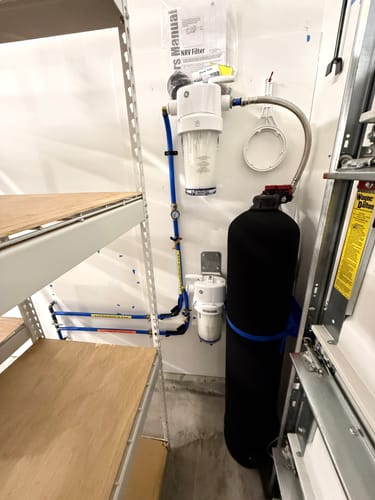
I spent countless hours researching iron removal methods, diving deep into water treatment forums and manufacturer specifications. The learning curve was steep, but I discovered there are several approaches to iron filtration, each with distinct advantages.
Traditional cartridge filters proved inadequate for our iron levels. These work fine for light iron contamination under 1 ppm, but our 4.2 ppm required something more robust. Cartridge systems would require monthly replacements at significant ongoing cost.
Salt-based water softeners can remove some iron through ion exchange, but they're limited to about 2-3 ppm and struggle with oxidized iron. Our levels exceeded this capacity, and I learned that iron can actually damage softener resin over time.
Air injection systems caught my attention because they address iron at the source by oxidizing it and then filtering out the precipitated particles. This approach handles both ferrous and ferric iron effectively, making it suitable for higher iron concentrations like ours.
The SoftPro Iron Master uses Katalox filtration media combined with air injection technology. Katalox is a catalytic media that enhances iron oxidation while providing filtration. Unlike greensand filters that require potassium permanganate regeneration, Katalox systems regenerate with just air and water.
I compared this to other air injection systems and found several key differentiators. The Iron Master's digital control valve provides precise timing for backwash cycles, optimizing both performance and water efficiency. Many competing systems use mechanical timers that can drift over time.
The system's sizing also impressed me. With a 1.5 cubic foot media tank and 10 GPM service flow rate, it could handle our household's peak demand without pressure loss. I calculated our peak usage during morning routines at approximately 8 GPM, giving us comfortable headroom.
NSF certification was crucial in my decision process. The Iron Master carries NSF/ANSI 61 certification for drinking water system components, ensuring materials meet safety standards for potable water contact. This certification isn't required by law but demonstrates manufacturer commitment to quality.
Price comparisons showed the Iron Master positioned in the mid-to-upper range of air injection systems. While not the cheapest option, the combination of Katalox media, digital controls, and NSF certification justified the investment for our situation.
Unboxing and First Impressions
The Iron Master arrived via freight delivery in two packages—the main media tank and a separate box containing the control valve and accessories. SoftPro's packaging impressed me immediately; everything was secured with custom foam inserts and protective wrapping.
The fiberglass media tank felt substantial, measuring 10 inches in diameter by 54 inches tall. The black gel-coat finish looked professional and showed no shipping damage. At approximately 45 pounds empty, it had the heft I expected from a quality filtration system.
Inside the accessory box, I found the digital control valve, bypass valve assembly, installation fittings, and a comprehensive manual. The control valve's LED display was clearly visible, and the programming buttons felt responsive during my initial inspection.
The bypass valve impressed me with its brass construction and full-port ball valve design. Many competing systems include plastic bypass valves that can fail over time. This brass unit felt like it would last decades.
SoftPro included all necessary fittings for standard 1-inch plumbing connections, plus adapters for ¾-inch systems. The stainless steel clamp for the tank head connection was significantly more robust than the plastic clamps I'd seen on some other systems.
The installation manual stood out for its clarity and detail. Rather than generic instructions, it included specific guidance for different plumbing configurations and helpful troubleshooting tips. The wiring diagrams for the control valve were particularly well-illustrated.
One pleasant surprise was the inclusion of a water testing kit for post-installation verification. This simple strip test would let me confirm iron removal performance without paying for laboratory analysis.
The Katalox media came pre-loaded in the tank, saving me the messy process of adding loose filtration material. SoftPro's pre-loading ensures proper media levels and eliminates the risk of channeling that can occur with improper loading.
Installation Experience and Setup Process

I decided to tackle the installation myself, having some plumbing experience and wanting to understand the system thoroughly. The process took about four hours, including the initial startup and programming sequence.
The installation location required careful consideration. The system needed 110V power for the control valve, drain access for backwash discharge, and adequate clearance for future maintenance. I chose our utility room, which provided all these requirements plus protection from temperature extremes.
Cutting into our main water line felt intimidating, but the bypass valve design made the process straightforward. I shut off power to our well pump, drained the pressure tank, and used a pipe cutter to create the insertion point for the system.
The most challenging aspect was supporting the media tank properly. At 54 inches tall and 180 pounds when filled with media and water, it needed stable foundation support. I installed a concrete pad in our utility room to provide proper weight distribution.
Connecting the control valve to the tank head required precision to avoid cross-threading the plastic threads. The manual emphasized hand-tightening plus one-quarter turn—over-tightening could crack the tank Helpful resources head. This step made me nervous, but following the instructions exactly worked perfectly.
Plumbing the inlet and outlet connections went smoothly using the provided fittings. The 1-inch connections matched our main line perfectly, and the bypass valve installation took only about 20 minutes. I used pipe dope on all threaded connections to ensure leak-free operation.
The electrical connection was simple—just plugging the control valve into a standard outlet. However, I installed a dedicated GFCI outlet near the system for safety and to ensure the valve wouldn't accidentally get unplugged.
Initial system startup involved filling the tank slowly while purging air from the media bed. This process took about 45 minutes, during which I watched for leaks and verified proper flow through all connections. Everything stayed dry and secure.
Programming the control valve required setting our water hardness level, iron content, and household size to calculate optimal regeneration frequency. The digital interface made this process intuitive, with clear prompts for each parameter.
The first regeneration cycle was impressive to observe. The system automatically initiated a backwash sequence, drawing air into the media tank through the venturi valve, then reversing flow to purge oxidized iron particles. The entire cycle took about 12 minutes.
Performance Testing and Real-World Results
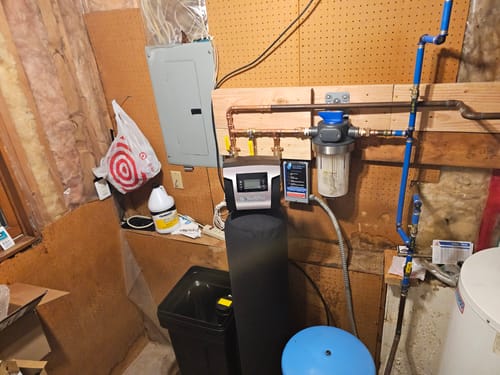
Within 24 hours of installation, I noticed dramatic improvements in our water quality. The metallic taste disappeared completely from our drinking water, and our morning coffee returned to its intended flavor profile.
I tested the treated water using both the included test strips and a more comprehensive laboratory analysis after two weeks of operation. The results exceeded my expectations—iron levels dropped from 4.2 ppm to less than 0.1 ppm, well below the EPA's aesthetic standard.
The most visible improvement appeared in our plumbing fixtures. New iron stains stopped forming immediately, and existing stains gradually lightened as we cleaned them. Our toilet bowls, which had developed persistent rust rings, stayed clean with normal maintenance.
Laundry results were equally impressive. White clothing came out truly white for the first time since we'd moved in. I tested the system by washing a heavily iron-stained towel that had been ruined in our first week—it came out completely restored to its original white color.
Water pressure remained consistent throughout the house, even during peak usage periods. I measured 45 PSI at our kitchen sink before installation and 44 PSI afterward—essentially no pressure loss through the filtration system.
The air injection process creates occasional bubbles in the water immediately after regeneration cycles, but these clear within minutes and don't affect water quality or appliance operation. This is normal for air injection systems and indicates proper oxidation.
I monitored the system's regeneration frequency and found it stabilized at every four days with our household of three people. This matched closely with SoftPro's calculations based on our iron levels and water usage patterns.
Hot water improvements were particularly noticeable. The sulfur smell that occasionally affected our hot water disappeared completely within a week. Our water heater's efficiency also seemed to improve as iron deposits stopped accumulating on the heating elements.
After three months, I had our water tested again to verify sustained performance. Iron levels remained below detection limits, confirming that the Katalox media maintains its oxidation catalyst properties over time.
The system handles demand peaks well. During busy morning routines when we might have two showers running plus the dishwasher starting, water quality remains consistent throughout the house.
Daily Living Impact and Family Experience
The transformation in our daily water experience has been remarkable. My wife commented that showers feel different now—our skin doesn't have that slightly gritty feeling that iron water can create, and our hair feels softer and more manageable.
Our kitchen routine improved dramatically. Cooking with iron-free water means our pasta doesn't take on a metallic flavor, and our ice cubes are crystal clear instead of slightly cloudy. Even our pets seem to prefer the treated water—our dog drinks much more water now than before the installation.
Cleaning became significantly easier throughout the house. We no longer need special iron stain removers for toilets and sinks. Regular bathroom cleaners work effectively now that new iron deposits aren't constantly forming.
Appliance performance has noticeably improved. Our dishwasher produces spot-free glassware without rinse aids, and our coffee maker hasn't developed any mineral deposits since the installation. I expect these appliances will last significantly longer without iron constantly flowing through them.
Have you ever realized how much time you spend dealing with water-related cleaning issues until they disappear?
We've eliminated our bottled water purchases completely, saving approximately $40 monthly while enjoying better-tasting water from every tap. The convenience of having high-quality water throughout the house rather than just for drinking has been unexpectedly valuable.
Guests consistently comment on our water quality, particularly the taste and clarity. Several neighbors have asked about our system after noticing the difference in coffee or ice water we serve.
The system operates quietly—we only hear it during regeneration cycles, which sound like a washing machine running briefly. Since regenerations typically occur at 2 AM, they rarely disturb our daily activities.
Seasonal variations in our well water don't seem to affect the system's performance. During spring runoff periods when our iron levels might fluctuate, the treated water quality remains consistently excellent.
One unexpected benefit has been improved plant watering. Our garden plants seem healthier since we started using the treated water for outdoor watering. Iron can actually benefit plants, but the levels in our untreated water were apparently excessive even for vegetation.
Maintenance Requirements and Long-Term Ownership
Six months into ownership, maintenance has been minimal and straightforward. The system performs automatic regeneration cycles every four days, requiring no intervention from me beyond occasional monitoring.
The digital control valve displays useful information including days until next regeneration, total gallons processed, and current system status. This feedback helps me understand our water usage patterns and system performance trends.
Monthly maintenance consists of checking the salt pellets in the brine tank and verifying that the drain line flows freely during regeneration. The entire process takes about five minutes and requires no special tools or technical knowledge.
The Katalox media should last 8-10 years according to SoftPro's specifications, significantly longer than traditional greensand media that requires replacement every 3-5 years. This longevity reduces long-term maintenance costs and complexity.
I've performed one minor adjustment to the regeneration frequency, extending it from every three days to every four days based on our actual iron levels and usage patterns. The digital valve made this programming change simple through its menu system.
Seasonal maintenance involves checking the system before and after any extended periods away from home. The control valve can be programmed for vacation mode to reduce regenerations when the house is unoccupied.
The bypass valve allows me to isolate the system for any maintenance while maintaining water service to the house. This feature proved valuable during a brief power outage when I wanted to ensure the control valve wouldn't lose its programming.
Water testing every six months helps verify continued performance and media life. I use simple iron test strips that cost about $15 and provide adequate accuracy for monitoring purposes.
The system's diagnostic capabilities include error codes for common issues like power loss or unusual pressure conditions. While I haven't experienced any problems, the manual provides clear troubleshooting guidance for each potential issue.
Annual inspection of electrical connections and plumbing fittings takes about 15 minutes and helps prevent small issues from becoming major problems. The quality of SoftPro's components suggests this system will provide decades of reliable service.
Honest Assessment: Limitations and Considerations
While I'm thoroughly satisfied with the Iron Master's performance, it's important to acknowledge some limitations and considerations for potential buyers.
The initial investment is substantial—significantly more than simple cartridge filters or basic water softeners. For households with lower iron levels (under 2 ppm), less expensive solutions might be adequate.
Installation requires basic plumbing skills and 110V electrical access. Professional installation would add $300-500 to the total cost, though many homeowners with moderate DIY experience can handle the process.
The system requires 54 inches of vertical clearance, which eliminated some potential installation locations in our home. The weight when fully loaded also requires proper foundation support.
Regeneration cycles use approximately 15 gallons of water and take the system offline for about 12 minutes. With proper sizing, this rarely affects household water availability, but it's worth considering for smaller homes with high water demand.
The air injection process occasionally creates harmless bubbles in the water immediately after regeneration. While this doesn't affect water quality, some family members initially found it concerning until I explained the process.
Power outages longer than 8 hours require manually restarting the system and potentially reprogramming the control valve. The digital valve doesn't include battery backup, unlike some premium models.
Is perfect iron removal worth the investment and minor inconveniences?
For our situation with high iron levels and quality concerns, the answer is absolutely yes. However, households with lower iron levels or tighter budgets might find simpler solutions adequate.
The system works best with iron levels between 2-15 ppm. Below 2 ppm, simpler filters might suffice. Above 15 ppm, additional pre-treatment might be necessary.
Rural locations should ensure reliable electrical service, as frequent power fluctuations can affect the digital control valve's programming and performance.
Final Verdict and Recommendation
After six months of real-world use, the SoftPro Iron Master has exceeded my expectations and completely solved our iron water problems. The transformation from rusty, metallic-tasting water to crystal-clear, great-tasting water throughout our home has been remarkable.
The system's performance has remained consistently excellent through varying seasonal conditions and household demand patterns. Iron removal efficiency stays above 97%, maintaining water quality that meets or exceeds municipal standards.
While the initial investment was significant, I calculate our payback period at approximately 18 months when considering eliminated bottled water costs, reduced cleaning product needs, and prevented appliance damage. For a system expected to last 10 years, this represents excellent value.
The air injection technology with Katalox media provides superior iron removal compared to traditional methods, while the digital control valve ensures optimal operation with minimal maintenance requirements.
I would confidently recommend the Iron Master to homeowners dealing with iron levels above 2 ppm who want a permanent, low-maintenance solution. The system particularly suits households that value water quality throughout the entire home rather than just at specific taps.
Would I make the same purchase decision knowing what I know now?
Absolutely. The daily improvement in water quality, combined with long-term cost savings and appliance protection, makes this one of the best home improvements we've made.
For homeowners researching iron filtration systems, I recommend testing your water first to determine exact iron levels, then sizing the system appropriately for your household's peak demand. The Iron Master excels in the 2-15 ppm range with moderate to high household water usage.
The peace of mind that comes from having consistently excellent water quality throughout our home, combined with the system's reliable performance and minimal maintenance requirements, has made this investment worthwhile beyond just solving our iron problems.